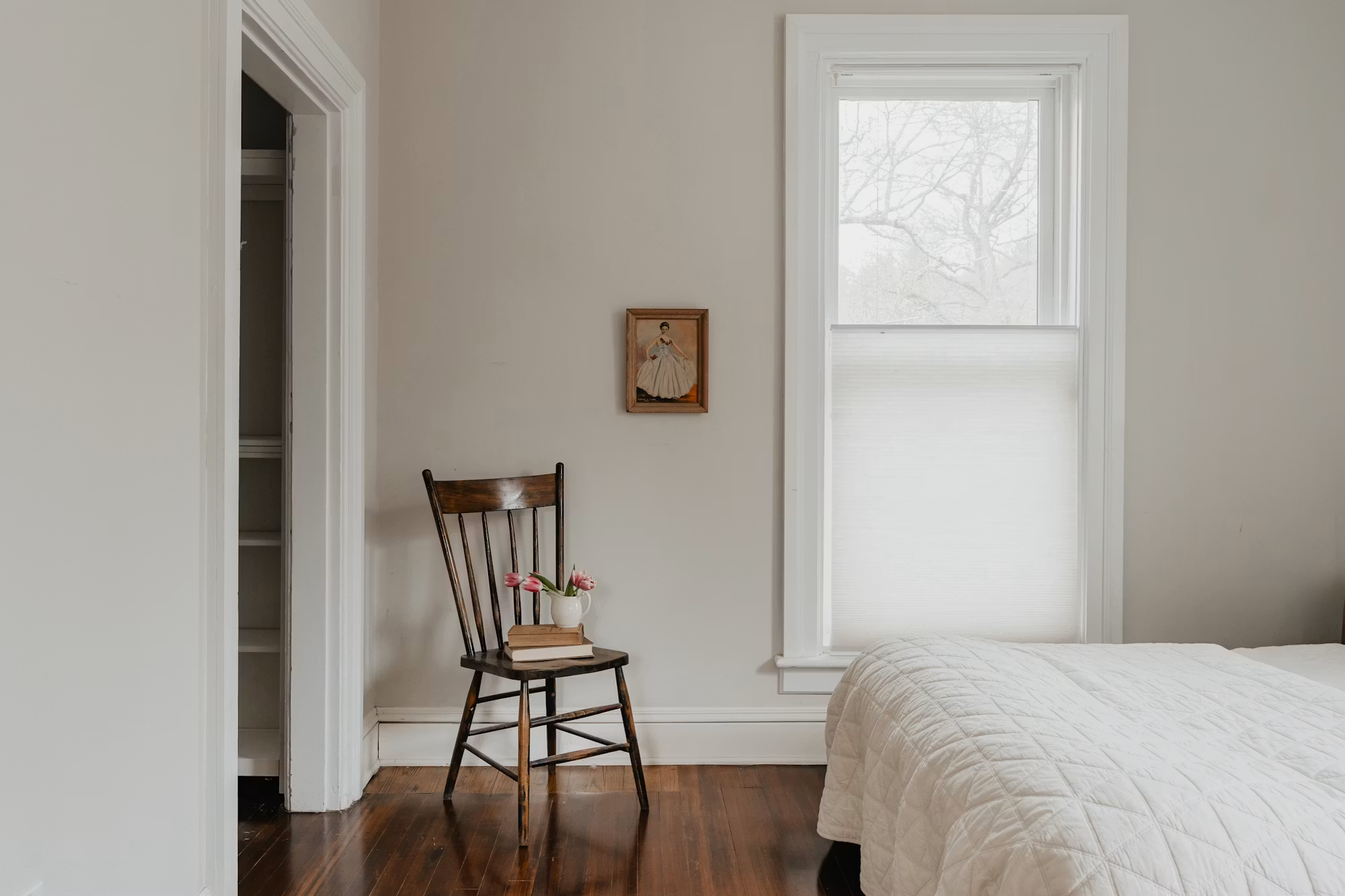
Creating a harmonious living space is essential for promoting well-being and relaxation, especially in the bedroom where we spend a significant amount of our time. One effective way to achieve this is through the ancient practice of Feng Shui. Originating from China, Feng Shui is a philosophy that emphasizes the arrangement of spaces to enhance energy flow, or “chi.” In this article, we will explore the fundamental principles of Feng Shui and how to apply them to your bedroom design to create a balanced and inviting sanctuary.
Understanding Feng Shui Basics
Feng Shui is built upon the idea that our environments directly impact our mood, health, and overall quality of life. It focuses on the flow of energy and how the placement of furniture and decor can either enhance or obstruct this energy. Central to Feng Shui are five elements: wood, fire, earth, metal, and water. Each element has its own characteristics and associations, and integrating them into your bedroom can help create a balanced atmosphere.
The Importance of Bed Placement
One of the core principles of Feng Shui is the placement of the bed. The bed should be positioned in a commanding position, meaning you can see the entrance to the room while lying in bed, but it should not be directly aligned with the door. This arrangement promotes a sense of safety and control, essential for restful sleep.
Additionally, ensure there is enough space on both sides of the bed to allow for energy to flow freely. Avoid placing the bed under a window, as this can lead to a feeling of instability and disrupt your sleep. Instead, choose a solid wall for support and grounding, enhancing your overall sense of security.
Creating Balance with Symmetry
Incorporating symmetry into your bedroom design can enhance balance and harmony. For instance, placing matching nightstands on either side of the bed creates a cohesive look and promotes equal energy flow. This symmetry is particularly important in relationships, as it symbolizes partnership and equality.
When decorating your nightstands, opt for similar lamps, decor, or plants to maintain this balance. Additionally, consider artwork and other decorative elements; pairing pieces or using mirrors can amplify the effect of symmetry, further enhancing the harmonious atmosphere.
Choosing the Right Colors
Color plays a vital role in Feng Shui, influencing our emotions and energy levels. When selecting colors for your bedroom, consider soft, calming hues that promote relaxation, such as light blues, greens, and neutral tones. These colors help create a peaceful environment conducive to restful sleep and rejuvenation.
Avoid overly bright or aggressive colors, like vivid reds or neon shades, as they can create tension and disrupt the serene ambiance of your sanctuary. Instead, focus on incorporating pops of color through decorative accents or artwork, ensuring they enhance rather than overwhelm the space.
Incorporating Natural Elements
Bringing nature into your bedroom is essential for fostering a sense of tranquility and connection to the earth. Integrating natural elements, such as plants, wooden furniture, and natural fabrics, can enhance the energy flow and create a calming atmosphere. Plants, in particular, are known for their ability to purify the air and add a touch of life to the space.
When choosing plants, consider options that are low-maintenance and suitable for indoor environments, such as peace lilies, snake plants, or pothos. Additionally, using natural materials for furniture and decor, like bamboo, cotton, or wool, can enhance the organic feel of the space, contributing to a harmonious environment.
Decluttering for Positive Energy
Clutter can significantly disrupt the flow of chi in a space, leading to feelings of stress and unease. To create a harmonious bedroom, prioritize decluttering and organization. Start by assessing each item in your room and determine its purpose and value. Keep only those items that bring you joy or serve a function.
Focus on storage solutions that keep your belongings organized and out of sight. Utilize under-bed storage, decorative baskets, or stylish containers to maintain a clean and tidy environment. By reducing clutter, you allow energy to flow freely, creating a more inviting and peaceful space.
Enhancing Air Quality and Light
Good air quality and natural light are essential for a positive living environment. To enhance the energy in your bedroom, prioritize ventilation and fresh air. Open windows whenever possible to allow fresh air to circulate, and consider using an air purifier to maintain clean air quality.
Natural light is equally important. Aim to keep windows uncovered or use light, sheer curtains that allow sunlight to filter through. This creates a bright and uplifting atmosphere, promoting positive energy and a sense of connection to the outdoors. If natural light is limited, consider incorporating adjustable lighting solutions, such as dimmable lamps or fairy lights, to create a cozy ambiance.
Personalizing Your Space
While Feng Shui principles provide a framework for creating a harmonious bedroom, it’s essential to infuse your personal style into the design. Incorporating items that resonate with you, such as meaningful artwork, photographs, or cherished souvenirs, can help create a unique and inviting space.
However, be mindful of the energy these items bring. Choose decor that evokes positive emotions and aligns with your intentions for the space. For example, displaying photographs of loved ones or artwork that inspires you can contribute to a sense of joy and comfort within your sanctuary.
Conclusion
Creating a harmonious bedroom using Feng Shui principles involves a thoughtful approach to design and organization. By considering bed placement, incorporating balance through symmetry, choosing calming colors, and embracing natural elements, you can cultivate a space that promotes relaxation and rejuvenation. Decluttering, enhancing air quality, and personalizing your environment further contribute to a peaceful atmosphere. Ultimately, the goal is to design a bedroom that not only reflects your personal style but also fosters a sense of balance and well-being, making it a true sanctuary for rest and renewal.